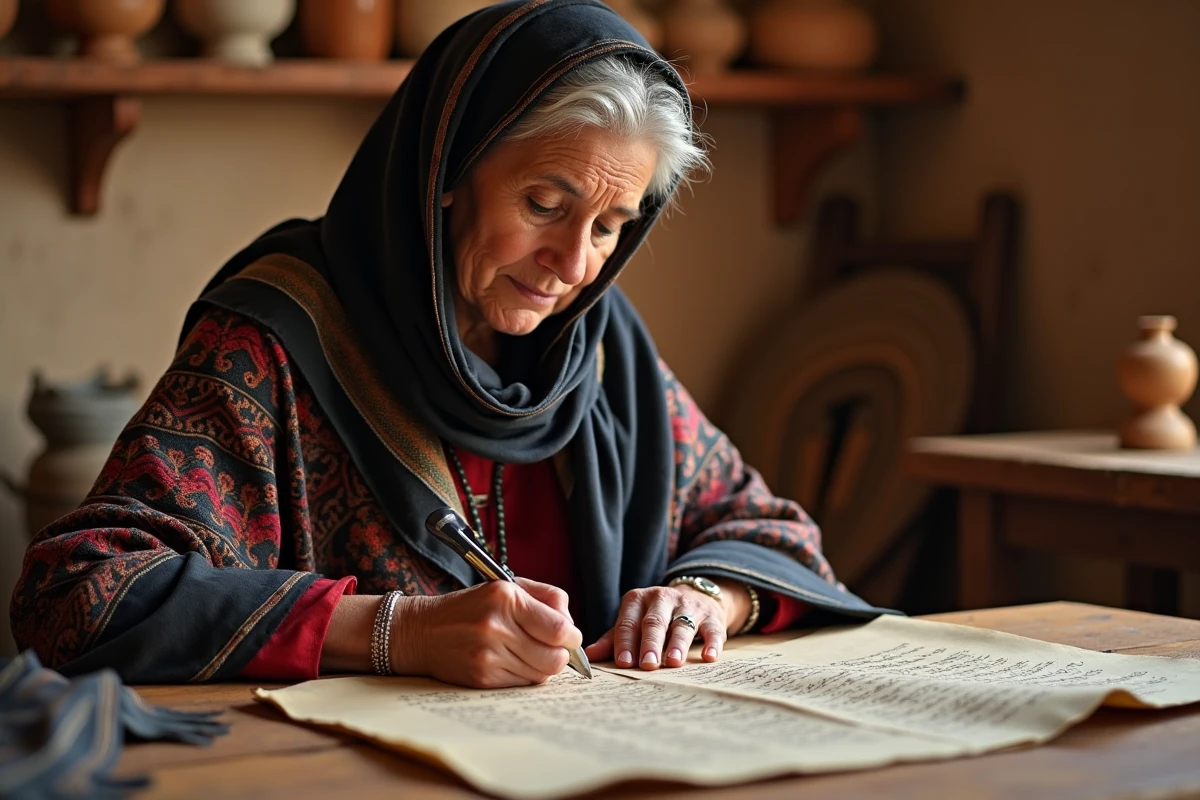
An enigma nestled in a name, a collective memory that refuses to dissolve into administrative silence. This is what Sidjil holds, far beyond visible boundaries and official stories.
Sidjil, a name with enigmatic roots in Berber history
On the edges of the paths of North-West Africa, where time eventually fades behind the dunes, Sidjil emerges, this name that does not appear on signs but is passed down in the shadows of adobe houses. Nothing like a simple identifier. Sidjil floats like a whisper of memory, a delicately preserved remnant at the heart of Berber civilization.
A people whose will is forged by the mountain and the desert, the Amazigh draw their history from lands where fable and reality meet. In the eyes of conquerors, they were labeled “Barbaros,” while others, like Moses of Corene, mentioned a Canaanite origin, and some chroniclers even looked as far as Yemen. Yet, in the background of this epic, Sidjil remains indomitable. The administration ignores it, genealogies barely touch it: Sidjil escapes all classification.
If it survives, it is because it knows how to be rare. Sometimes entrusted to a single descendant, elsewhere silenced before reappearing years later, Sidjil does not leave its mark on stone: it nourishes memory, away from the clamor of official History.
Why does this name intrigue researchers and enthusiasts so much?
Behind Sidjil, there is something that stubbornly refuses to fade away. Halfway between Amazigh anchoring and contemporary effervescence in the Maghreb, this name captures the attention of history lovers, heritage enthusiasts, as well as linguists. The families that bear it juggle modernity: here a millennia-old past, there a mobile phone in hand, elsewhere the words of the elders now circulating on social networks.
If Sidjil raises so many questions, it is because it brings up several specific facts:
- The major dynasties such as the Almoravids, Almohads, or Mérinids have influenced the history of the Maghreb up to Andalusia; Sidjil, however, has maintained its distance from the dynasties, preserving its independence.
- In Berber craftsmanship, one reads the strength of an identity: weavers, potters, engravers, reuse ancestral knowledge to create new things without renouncing their original patterns.
- Every exchanged word, every collected story, every object shaped in Amazigh stands as a resistance to uniformity.
Beyond studies, the origin of the name Sidjil and its history continues to provoke interest, fueling debates and research. This uniqueness, far from being a mere relic, embodies today the vitality of a tradition that has never feared to engage with its time.
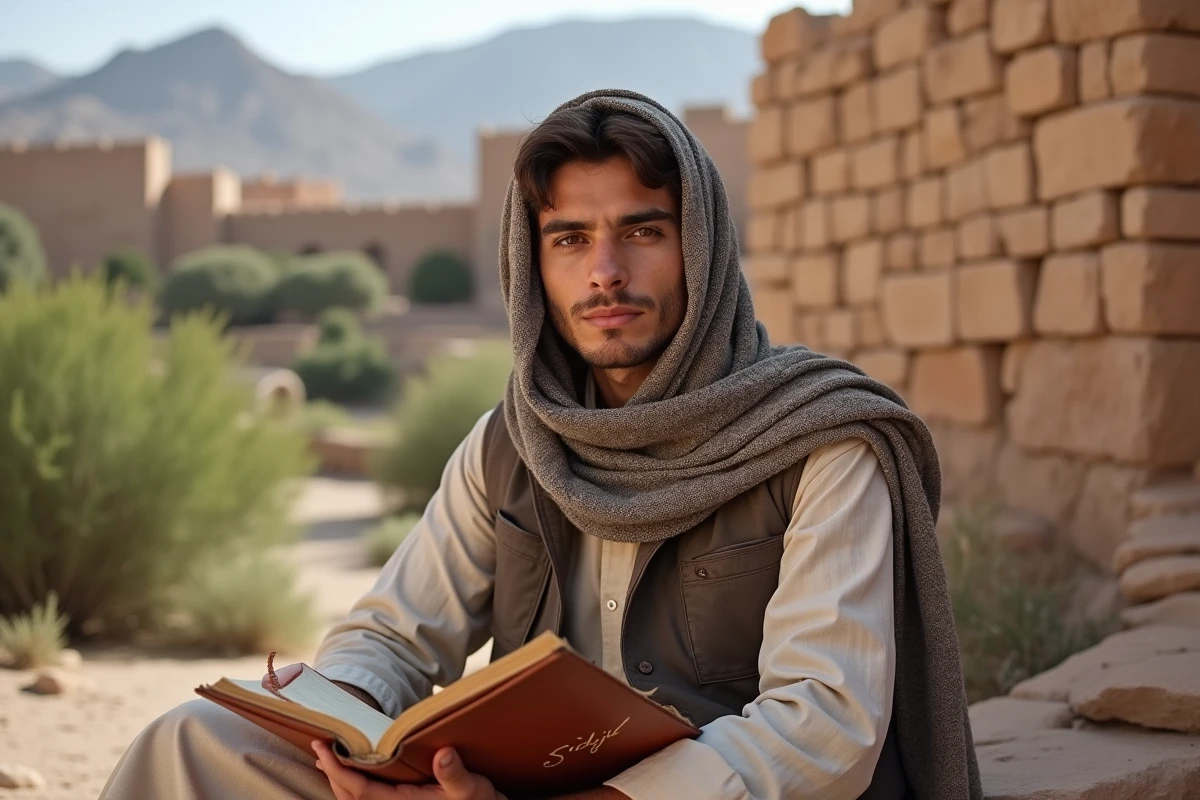
What Sidjil reveals about the identity and memory of Berber peoples
Talking about Sidjil is giving voice to Berber memory in all its diversity and tenacity. This name unveils a world where the Amazigh language endures, carried by the Tifinagh alphabet that the Tuaregs have been using for centuries. The vibrant Berber flag tells of attachment to the land, to the mountain, and to the desert; it expresses the proud identification of a people with their living memory.
Local craftsmanship is not relegated to folklore for tourists. In the villages, potters, weavers, and jewelers collect techniques and stories to pass them on from generation to generation. The Beni Ouarain rugs are famous for their geometric patterns. The Berber jewelry, both robust and delicate, crosses borders to be displayed in both art galleries and popular markets in Morocco. These objects are anything but static: every gesture, every color adds a nuance to the collective narrative.
In 2011, the Amazigh language gained new recognition in the Moroccan Constitution under royal impetus. Now, the Tarifit, Tachelhit, and Tamazight variants find their place in schools, in public spaces, on signs. Associations and groups driven by civil society multiply actions to promote Berber products and encourage the transmission of heritage.
Sidjil, for its part, is far from being a simple memory. It traverses time, discreet yet tenacious. A simple name, sometimes passed on in secret, keeps alive an entire facet of humanity refusing to be erased. This is perhaps what Sidjil reveals: when memory speaks, there is no longer a boundary between a name, a people, and the fierce will to stand tall in history.