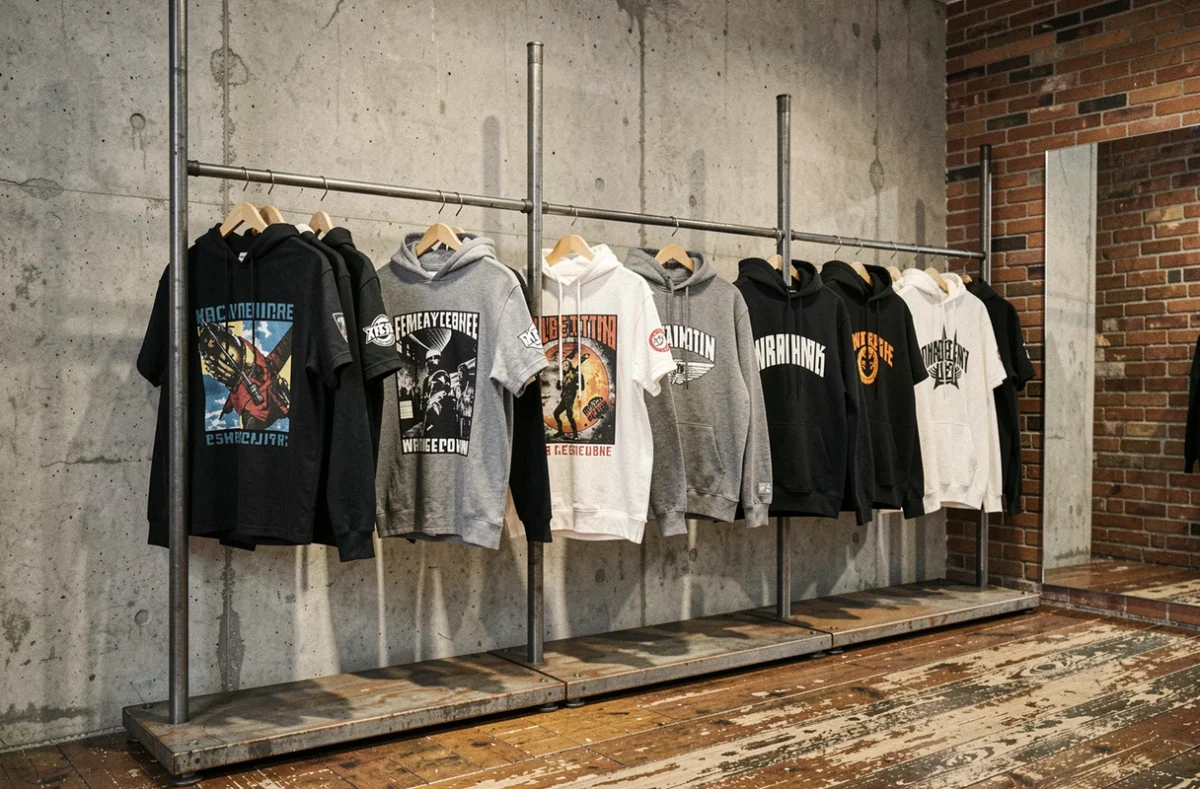
Bullrot is a French streetwear brand that emerged in the mid-1990s. Recognizable by its logo featuring two dogs, it has established itself in the French hip-hop culture by offering clothing designed by and for urban scene actors. After a long absence, the brand has begun its comeback with a new collection called “Bullrot Wear Heritage.”
Ownership of rights and continuity of Bullrot Wear
The issue of intellectual property is rarely addressed when discussing the return of Bullrot. The official website (bullrotwearofficiel.fr) now sells the new collections. This entity presents itself as the legitimate custodian of the brand and its visual universe, including the logo with the two dogs.
For a streetwear brand whose authenticity is its main asset, the traceability of rights is not trivial. In the urban textile sector, defunct labels are regularly bought by investors with no connection to the founders, which dilutes their credibility within the original community. In the case of Bullrot, the official communication emphasizes a direct lineage with the early collections and claims a heritage embraced since 1995.
Specifically, the “Bullrot Wear Heritage” 2026 collection revives historical visual codes (embroidery, patches, topstitching) while adopting contemporary cuts. The brand highlights the quality of materials and durability as proof of this continuity. However, without verifiable publication of a trademark registry (such as INPI or equivalent), the precise legal link between the current entity and the original founders remains difficult to document publicly.
To better understand the history of the Bullrot brand, one must go back to the meeting of two urban culture enthusiasts in the 1990s.

Founders rooted in French hip-hop
The founders of Bullrot did not come from the textile industry. Their project started from a simple observation: to offer a brand designed by urban scene actors for an audience that shared the same codes. This positioning defines Bullrot better than any marketing brief.
At a time when French streetwear brands were few and far between, Bullrot filled a vacant niche. The founders knew their audience because they were part of it. Graffiti, DJing, and neighborhood life directly influenced the design of the pieces.
The logo with two dogs as an identity marker
The visual of the two dogs became the rallying sign of the brand. In streetwear culture, a logo functions like a crest: it signals belonging to a group, an aesthetic, a lifestyle. Bullrot’s logo evoked loyalty, tenacity, and a form of embraced brutality that resonated with the hip-hop universe of the 1990s-2000s.
This logo circulated in music videos, on walls painted by graffiti crews, and in high school courtyards. Its visual recognition far exceeded the circle of regular buyers.
Bullrot’s clothing codes and French streetwear culture
Bullrot did not simply sell loose clothing with a logo. The brand developed its own stylistic vocabulary, articulated around several recurring elements:
- Oversized or fitted cuts depending on the pieces, designed for comfort of movement in urban environments (skate, dance, graffiti)
- A visible finishing work (contrasting topstitching, thick embroidery, sewn patches) that distinguished Bullrot pieces from the widespread counterfeits at the time
- Materials selected for their durability, as the clothing needed to withstand intensive daily use
This attention to manufacturing set Bullrot apart from the “bootlegs” flooding the market.
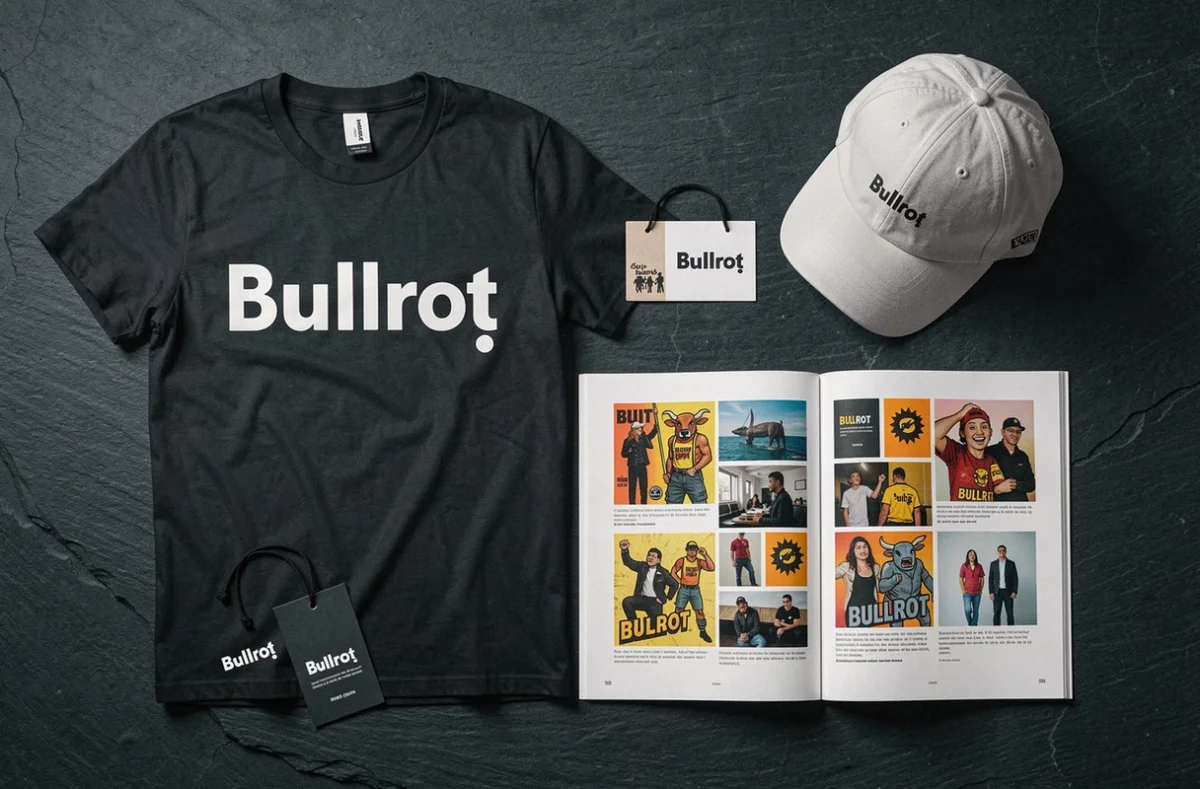
Return of Bullrot: Heritage collection and current positioning
After years of absence, Bullrot Wear has officially announced its return. The “Bullrot Wear Heritage” 2026 collection, announced on the official website, explicitly claims lineage with the brand’s origins. The term “heritage” is not chosen at random: it aims to reactivate the collective memory around the brand while addressing a broader audience.
The current positioning articulates two promises:
- Transparency about manufacturing and a quality-price ratio that the brand describes as “balanced”
- Respect for the historical DNA (assertive urban style, careful details, rooted in street culture)
- Proximity to the community, through social media and the official website, to maintain a direct link with buyers
The challenge is significant. The French streetwear market has radically changed since the 2000s. Dozens of brands occupy the niche, social media has replaced neighborhood word-of-mouth, and consumers are more demanding about product traceability. Nostalgia alone is not enough to sustain a brand in the long term.
The Heritage collection seems to bet on a balance between reinterpreted iconic pieces and current manufacturing standards. The initial communications emphasize the embroidery and prints inspired by the historical catalog, targeting both former customers and newcomers discovering the brand for the first time.
Bullrot Wear approaches this new phase with an asset that few competitors can claim: an authentic story, carried by founders from the culture they dressed. The brand with the two dogs has marked a generation. Its ability to convince a new one will depend less on its past than on the actual quality of what it offers today.